| Serving
over 22 millions NRIs worldwide |
|
||||||||||||||||||

|
||
 |
NRI, Moni Varma, founder of Veetee Rice won the Asian of the year London, Nov. 21, 2006 NRI Moni Varma, 57, founder of the Veetee brand basmati rice have won the Asian of the year Award for 2006. He said he was "humbled" because it was a recognition of his hard work by the community. Moni Varma had his early education
in Ludhiana before moving to Malawi and the UK. He grew up
in the former Rhodesia, in the area that later became Malawi. The
youngest of eight siblings, he was born to Indian parents, both
from business families, but spent his formative years in Africa.
After completing his O levels, Varma headed to India to continue
his studies, but returned to Malawi soon after with the ultimate
view of moving to the UK. Varma invested £300 in a small machine to manufacture barbed wire - the company desperately needed a salesman but couldn't afford to pay. Not for the last time in his career, Moni Varma took the risk and the job - solely on commission and a stake in the company. Within 3 years, capitalising on the developing country's need for steel, Varma had grown the company enormously and had become a major player in the burgeoning steel industry.
Veetee Rice Start Nothing quite tempts the British palate like a good curry. Roast beef and apple pie might hit the spot for our grandparents, but the present generation of consumers are more likely to reach for a second helping of balti than brussel sprouts. The exotic cuisine to which the nation has become addicted has a standard white, fluffy accompaniment: rice. Rice has been a staple food in the east for thousands of years. In the last 30 years, its rise in popularity in the UK has been nothing short of meteoric. With food related health scares regularly in the news, rice has had the good fortune to enjoy an excellent press. Apart from a brief decline in sales at the height of the Atkins diet craze, it has consistently been heralded as ‘good for you’. Consumers have found it irresistible. These days, a packet of Basmati rice in the store cupboard is more commonplace than a tin of custard or gravy powder. As endless variations such as wild rice and fragrant Thai rice are brought to market, it is steadily nudging aside these old favourites. One of the companies instrumental in some way in rice becoming the nation’s favourite is Veetee Rice based in Rochester, Kent.
Veetee are currently the largest rice supplier in the UK retail trade, supplying both Veetee and supermarket own-brands. Veetee are also unique in rice manufacturing, as they are the only company to have factories in both India and Pakistan, making them perfectly place to supply both communities. Future investments will ensure that Veetee stay ahead of the game. Rice arrives at the plant in the form of brown rice direct from rice mills in India, Pakistan, the US, and Thailand among other countries. Crewe described the processes that must take place before it finds its way into the supermarket stacking system. “We clean it to remove surplus material and contaminants, which might have found their way in. Then we remove the brown layer, which accounts for about 12 per cent of the total product weight. What we are left with is the white rice that you are used to seeing on your plate,” he added. Nothing goes to waste. The brown husk that is removed in the milling process is directed via reverse jet filters into silos where it is bulk loaded onto lorries destined for the animal feed industry. The plant is highly automated, but still employs over 100 people. He explained that there is a core marketing team to support the Veetee brand. “Veetee is a consumer brand and is well recognised within the ethnic community. We believe the quality of our product equals or surpasses that of other brands, but it takes a lot of effort to get that message across,” he explained.
|
|

|
 Moni Varma founder of Veetee Rice 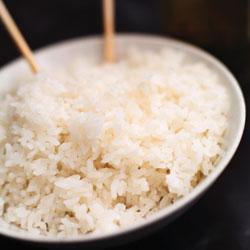 Veetee Rice currently the largest rice supplier in the UK retail trade, |